Hey folks, if you’ve ever driven past a commercial dairy farm or a large pig operation on a hot summer day, you know one thing for real: the smell is wild, and so is the hassle of moving that animal waste around. I’ve been deep in the animal waste conveying equipment game for over a decade now, and let me tell you, this space has blown up in the last few years. It’s not just shoveling and dragging hoses anymore—there’s actual tech here that’s cutting down mess, saving farmers time, and making this whole way more bearable (and profitable) for everyone involved. Let’s break down the advancements that are changing the game right now. Animal Waste Conveying Equipment

First off, let’s start with the biggest pain point most farmers deal with: moving that waste efficiently without clogs, leaks, or constant repairs. A few years back, we were mostly dealing with basic drag chain conveyors that’d jam up all the time if there was a big chunk of manure or bedding in the mix, or screw conveyors that’d wear out fast from all the corrosive gunk. Now? There’s this stuff called positive pressure pneumatic conveying that’s been gaining steam, and trust me, it’s a game-changer. For anyone who doesn’t know how that works, it uses pressurized air to blow dry or semi-solid waste (like manure solids from barn scraping) through sealed pipes instead of mechanical parts touching the waste directly. No drag chains to snap, no screws to wear down—just air moving the material. I’ve seen installations for layer farms that went from having clog issues every other day to going weeks without a hiccup. That’s not just less downtime; that’s hours back in a farmer’s day, hours they can spend on feeding, animal health, whatever actually moves the needle on their operation.
Wait, but pneumatic systems have had some problems in the past, right? They used to waste a ton of energy running big compressors all the time. The new generation? They’re smart. Variable frequency drives (VFDs) are now standard on most of the best pneumatic units, so they only crank up the air pressure when there’s actually waste moving through the line. If the barn’s scrapers aren’t running, the compressor idles low—cuts energy use by like 30 to 40% compared to old fixed-speed setups. That’s a huge win for farm budgets, especially with energy prices being so crazy lately. I worked with a 5,000-head hog producer in Iowa last year who swapped his old drag conveyor for a VFD-powered pneumatic system, and he told me his monthly electric bill for conveying waste dropped by over $1,200. That’s real money for a small to mid-sized operation.
Next up, let’s talk about automated scrapers and in-barn conveying, because that’s where most of the waste starts—right in the barn aisles. For years, farmers were manually scraping manure or using slow, basic scrapers that only ran a couple times a day, which meant waste would sit around in the barn, stinking up the place and maybe even hurting air quality for the animals. Now, we’ve got automated scraper systems that sync with the barn’s manure management plan, and they’re linked to the conveying equipment so they move waste straight to storage or treatment as soon as it’s scraped. Some of these systems use load sensors—if the scraper hits a little extra waste (like if a cow dumps a big pile right where it passes), it slows down to avoid spilling and then speeds back up, no human input needed. There’s even ones that tie into weather data: if it’s going to rain, the scraper runs extra times to make sure waste is moved out before the runoff can carry nutrients into nearby streams. That’s not just convenience; that’s helping farmers meet environmental regulations too, which is a massive headache for a lot of operations lately.
Oh, and let’s not forget about the stuff that’s more than just solid waste. Liquid manure from lagoons or slurry pits? Conveying that used to mean big, leaky pumps that’d clog with straw or bedding, or hoses that’d burst under pressure. Now we’ve got submersible slurry pumps with anti-clog impellers that cut through debris like butter. Some of these impellers are made from high-grade composite materials that are resistant to the acids in manure, so they last way longer than old steel ones. I had a customer with a 2,000-head dairy operation who was replacing his old slurry pumps every 18 months; the composite ones I sold him are going on four years with zero issues. Also, there’s hose reels now that are automated—you don’t have to drag a 50-foot hose across a muddy farmyard. The reel rolls out and retracts on its own, and some even have sensors that stop if the hose hits an obstacle, so no more kinks or bursts. That’s huge for safety too—no more farmers pulling heavy hoses in the mud, risking back injuries or falls.
Another advancement that’s been popping up a lot lately is IoT integration for conveying systems. Yeah, I know, IoT sounds like corporate tech, but it’s actually made for small farms too now. These systems use tiny sensors all along the conveying line that track things like flow rate, pressure, temperature, and even clog risk. The data is sent to a simple app on a farmer’s phone. So instead of having to drive out to the barn every day to check if the conveyor’s working, they get a text if there’s a clog forming, or if the pressure is off, or if the maintenance schedule is coming up. One of my go-to clients has a 10,000-head layer farm, and he told me he used to spend two hours a day checking all his conveying equipment. Now? He checks his app once in the morning, and that’s it. If there’s a problem, the app sends a notification, and his maintenance guy can show up with the right parts before it becomes a big issue. That’s not just saving time; that’s reducing emergency repairs, which are way more expensive than scheduled ones. Also, the data from these sensors can help farmers optimize their operations—like if they notice that their conveying system uses less energy on Tuesdays, they can adjust their scraping schedule to match, cutting even more costs.
Wait, let’s also talk about sustainability, because that’s not just a buzzword for customers anymore. A lot of farmers are now using animal waste to make biogas, right? And the conveying equipment has to handle that waste carefully so it doesn’t get contaminated during transport. New conveying systems are designed to move raw waste to digesters without mixing in too much of the barn bedding or other debris, which makes the biogas production more efficient. Some systems even have built-in screening that separates solids from liquids as it conveys, so farmers don’t have to do that step separately, saving them time and money. Also, the sealed lines in modern conveying equipment mean way less odor and leakage, which is a big deal for farmers who live near residential areas. I had a customer in Ohio who was dealing with complaints from neighbors about the smell from his lagoon and conveying lines. After installing a sealed, pneumatic conveying system, he got zero complaints that first year. That’s not just good for his relationship with the community; it’s good for his business too, because a lot of local zoning rules are getting stricter about agricultural smells.
Now, let’s be real—advancements don’t mean jack if they’re too expensive for most farmers. A few years ago, this kind of tech was only for huge corporate operations, but that’s changed a lot. We’ve scaled a lot of these systems down for small to mid-sized farms, so they fit a 500-head hog operation just as well as a 10,000-head one. There’s also financing options that a lot of us suppliers offer, because we get it—farmers can’t drop $50k on new equipment out of nowhere. We work with local lenders to set up payment plans that fit their cash flow, and a lot of times, the energy savings or reduced labor costs from the new equipment pay for themselves in two to three years. That’s a big selling point, and I’m glad to see the tech getting more accessible, not just more advanced.
I should also mention that even with all this fancy tech, the basics still matter. We’re not ditching durability or ease of use. A lot of these new systems are built with simplified controls so a farmer who’s not super tech-savvy can figure them out. No complicated menus, no coding—just a big on/off button and a screen that shows you the basics. I’ve had customers in their 60s who grew up on farms with manual conveyors pick up the new app in a day, which was way less of a struggle than I thought it’d be. We also do on-site training, so farmers don’t have to learn everything by watching YouTube videos (though I’ll be honest, I tell them to check our YouTube channel for quick tips too).
Wait, let’s touch on a common misconception: some farmers think automated conveying systems will replace their workers. From what I’ve seen, that’s not the case at all. The jobs just change. Instead of spending their days shoveling waste or fixing clogs, farm workers get to do more skilled work—like checking on animal health, adjusting feed, or helping with crop management, since a lot of farmers use the nutrient-rich waste as fertilizer. I had a farm manager last year tell me his three guys used to spend 80% of their time on waste management; now they spend 80% of their time on the animals, which makes for a better operation all around. Happy workers mean less turnover, too, which saves farmers even more money.
So, wrapping this up a bit—if you’re a farmer tired of clogs, high energy bills, smell complaints, or wasting time on waste conveying, there’s so much better tech out there now than there was even five years ago. It’s not just about making things easier; it’s about making your operation more profitable, more sustainable, and less stressful.
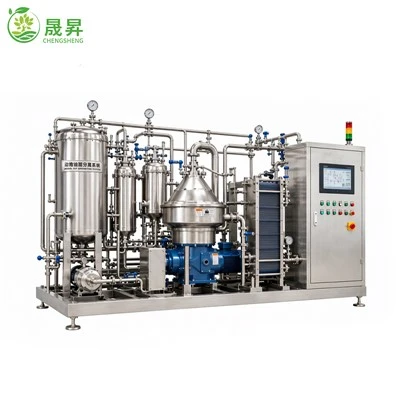
If you’re looking to upgrade your animal waste conveying equipment, or even just have questions about what would work best for your specific operation, feel free to reach out. We do custom quotes, on-site assessments, and we don’t push stuff that’s not a fit for you—whether you’re a small family farm or a large commercial operation. Let’s figure out what works for your setup and get rid of that waste hassle for good.
Animal Fat Rendering Equipment REFERENCES
- American Society of Agricultural and Biological Engineers. (2022). "Advancements in Manure Conveying and Handling Systems for Livestock Operations." ASABE Annual International Meeting Proceedings.
- USDA Natural Resources Conservation Service. (2023). "Manure Management Technology Guide for Small-Scale Livestock Producers." NRCS Technical Note 442.
- European Livestock Equipment Association. (2022). "IoT Integration and Energy Efficiency in Agricultural Waste Handling Systems." ELSA Technical Report.
- Journal of Animal Science. (2023). "Economic Analysis of Modern Manure Conveying Systems for Mid-Sized Swine Operations." Vol. 101, Issue 5.
- Food and Agriculture Organization of the United Nations. (2022). "Sustainable Manure Conveyance Technologies for Reducing Odor and Environmental Impact." FAO Livestock Environment Brief No. 17.
Zhejiang Shengsheng Environmental Protection Technology Co., Ltd.
With abundant experience, we are one of the leading manufacturers and suppliers of animal waste conveying equipment in China. We warmly welcome you to wholesale animal waste conveying equipment in stock here and get quotation from our factory. All customized products are with high quality and competitive price.
Address: No.899 Huifeng South Road, Jiangnan Subdistrict, Linhai City, Taizhou City, Zhejiang Province, China
E-mail: 564958410@qq.com
WebSite: https://www.ssincinerator.com/
