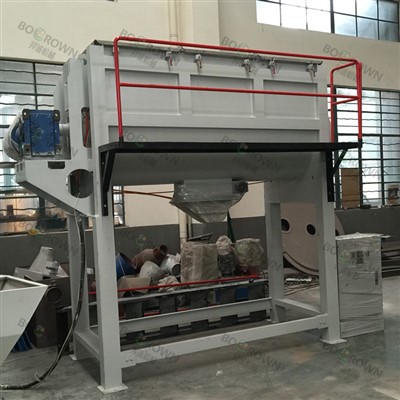
As a supplier of central dust removal systems, I’ve witnessed firsthand the increasing demand for safe and efficient dust collection solutions across various industries. Among the many concerns that customers have, explosion-proof requirements stand out as a critical aspect that cannot be overlooked. In this blog post, I’ll delve into the explosion-proof requirements for central dust removal systems, providing you with a comprehensive understanding of why they are necessary and how to ensure compliance. Central Dust Removal
Understanding the Risk of Dust Explosions
Before we discuss the explosion-proof requirements, it’s essential to understand the risk of dust explosions. Dust explosions can occur when combustible dust particles are dispersed in the air in sufficient concentrations and ignited by a source of energy, such as a spark, flame, or heat. Industries such as woodworking, metalworking, food processing, pharmaceuticals, and chemical manufacturing are particularly vulnerable to dust explosions due to the presence of combustible dusts.
The consequences of a dust explosion can be catastrophic, resulting in property damage, injuries, and even loss of life. Therefore, it’s crucial to implement effective explosion prevention and protection measures in central dust removal systems to minimize the risk of dust explosions.
Explosion-Proof Requirements for Central Dust Removal Systems
1. Design and Construction
- Explosion-Resistant Equipment: All components of the central dust removal system, including the dust collector, fan, ducts, and valves, should be designed and constructed to withstand the压力 generated by a dust explosion. This may involve using explosion-resistant materials, such as heavy-gauge steel, and following design standards and guidelines, such as those provided by the National Fire Protection Association (NFPA).
- Segregation and Isolation: The dust removal system should be designed to segregate and isolate potentially explosive areas from non-explosive areas. This can be achieved by using explosion isolation devices, such as flame arresters, vented explosion panels, and rapid-acting valves, to prevent the spread of flames and pressure waves in the event of an explosion.
- Grounding and Bonding: Proper grounding and bonding of all electrical components and metal parts of the dust removal system are essential to prevent the accumulation of static electricity, which can be a potential ignition source. This can be accomplished by using grounding conductors and bonding jumpers to ensure that all conductive materials are electrically connected to a common ground.
2. Ventilation and Dust Collection
- Effective Ventilation: The central dust removal system should provide adequate ventilation to keep the concentration of combustible dust particles in the air below the explosive limit. This can be achieved by designing the system with the appropriate airflow rate, duct size, and exhaust location, and by ensuring that the system is properly maintained and operated.
- Efficient Dust Collection: The dust collector should be designed to efficiently capture and remove combustible dust particles from the air. This may involve using high-efficiency filtration media, such as bag filters or cartridge filters, and implementing a regular cleaning and maintenance schedule to prevent the buildup of dust on the filter surfaces.
- Dust Handling and Disposal: Proper handling and disposal of collected dust are crucial to prevent the accumulation of combustible dust in the workplace. This may involve using dust collection containers or conveyors that are designed to prevent the release of dust into the air, and disposing of the collected dust in a safe and environmentally responsible manner.
3. Electrical and Control Systems
- Explosion-Proof Electrical Equipment: All electrical components and equipment used in the central dust removal system, including motors, switches, relays, and sensors, should be designed and certified for use in hazardous environments. This may involve using explosion-proof enclosures, intrinsically safe circuits, and other protective measures to prevent the ignition of combustible dust.
- Control and Monitoring Systems: The dust removal system should be equipped with a control and monitoring system that can detect and respond to potential explosion hazards in a timely manner. This may involve using sensors to monitor the concentration of combustible dust particles in the air, the temperature and pressure of the system, and the operation of the equipment, and using alarms and shutdown devices to alert operators and prevent the escalation of the situation.
4. Maintenance and Inspection
- Regular Maintenance: The central dust removal system should be regularly maintained to ensure that it is operating safely and efficiently. This may involve cleaning and replacing the filter media, lubricating the moving parts, checking the electrical connections and controls, and inspecting the system for signs of wear, damage, or corrosion.
- Periodic Inspections: The dust removal system should be periodically inspected by a qualified professional to ensure that it complies with all relevant explosion-proof requirements and standards. This may involve conducting a thorough visual inspection of the system, testing the electrical and control systems, and performing any necessary repairs or modifications.
Ensuring Compliance with Explosion-Proof Requirements
To ensure compliance with explosion-proof requirements for central dust removal systems, it’s important to work with a reputable supplier who has the expertise and experience to design, manufacture, and install a safe and effective system. Here are some key steps that you can take to ensure compliance:
- Conduct a Hazard Assessment: Before designing and installing a central dust removal system, it’s important to conduct a thorough hazard assessment to identify the potential explosion hazards in your workplace. This may involve analyzing the type and quantity of combustible dusts present, the operating conditions of the equipment, and the layout of the facility.
- Select the Right System: Based on the results of the hazard assessment, select a central dust removal system that is specifically designed to meet the explosion-proof requirements of your application. This may involve choosing the appropriate equipment, materials, and control systems, and ensuring that the system is properly sized and configured for your needs.
- Install the System Correctly: The central dust removal system should be installed by a qualified professional who has the knowledge and experience to ensure that it is installed correctly and safely. This may involve following the manufacturer’s installation instructions, using proper tools and equipment, and ensuring that the system is properly grounded and bonded.
- Train Your Employees: All employees who work with or around the central dust removal system should be trained on the potential explosion hazards and the proper procedures for operating and maintaining the system. This may involve providing training on the use of personal protective equipment, the importance of proper ventilation and dust collection, and the emergency response procedures in the event of a dust explosion.
- Maintain and Inspect the System Regularly: The central dust removal system should be regularly maintained and inspected to ensure that it is operating safely and efficiently. This may involve following a regular maintenance schedule, conducting periodic inspections, and performing any necessary repairs or modifications.
Conclusion
In conclusion, explosion-proof requirements are a critical aspect of central dust removal systems that cannot be overlooked. By understanding the risk of dust explosions, implementing effective explosion prevention and protection measures, and ensuring compliance with all relevant standards and regulations, you can minimize the risk of dust explosions in your workplace and protect your employees, equipment, and property.
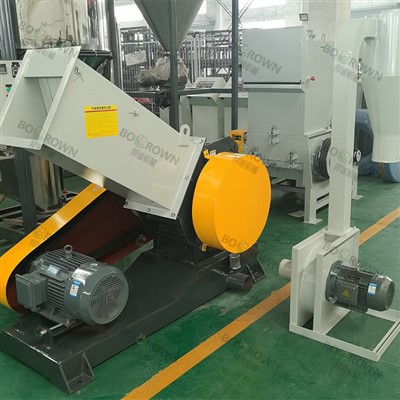
PVC Automatic Mixing System As a supplier of central dust removal systems, I’m committed to providing my customers with safe, efficient, and reliable dust collection solutions that meet their specific needs and requirements. If you’re interested in learning more about our explosion-proof central dust removal systems or have any questions or concerns, please don’t hesitate to contact me. I’d be happy to discuss your options and help you find the right solution for your application.
References
- National Fire Protection Association (NFPA). NFPA 654: Standard for the Prevention of Fire and Dust Explosions from the Manufacturing, Processing, and Handling of Combustible Particulate Solids. Quincy, MA: NFPA, 2019.
- Occupational Safety and Health Administration (OSHA). Combustible Dust National Emphasis Program. Washington, DC: OSHA, 2008.
- American Conference of Governmental Industrial Hygienists (ACGIH). Threshold Limit Values (TLVs) and Biological Exposure Indices (BEIs) for Chemical Substances and Physical Agents. Cincinnati, OH: ACGIH, 2021.
ZJG BC Machinery Co., Ltd.
As one of the most professional central dust removal manufacturers and suppliers in China, we’re featured by quality products and good price. Please rest assured to buy cost-efficient central dust removal for sale here from our factory. Contact us for custom service and OEM service.
Address: No.8 Lexi Road, Leyu Town, Zhangjiagang City
E-mail: sales@bcextruder.com
WebSite: https://www.bcextruder.com/
