Hey everyone, let’s cut to the chase – I’ve spent the last six years on the road as a merchandising strip supplier, and I get the looks when I walk into jewelry stores. “Wait, those are for grocery stores, right?” Yeah, that’s the first thing almost every jeweler says when I pull out my latest samples. But here’s the secret I’ve picked up: merchandising strips aren’t just for protein bars and toothpaste. They work for jewelry too – if you’re using them right. Let me walk you through why this isn’t some random gimmick, how it’s actually science-backed, and why your store could be leaving money on the table if you’re sleeping on them. Merchandising Strip

First off, let’s get one thing straight – merchandising strips (the slim, flexible plastic strips with pre-prong slots or hooks, basically) aren’t all the same. I don’t sell the flimsy grocery-store ones that break if you look at them wrong. I make heavy-duty, custom-cut strips lined with anti-tarnish microfiber, with slots sized to fit everything from tiny stud earrings to dainty pendant necklaces. That’s a key difference. Most jewelers I talk to think, “Strips = cheap” – but my stuff is precision-engineered for high-end inventory, not bulk candy. I’ve got a jeweler in Portland who uses my strip design for his display cases now, and he says it’s cut his restocking time for studs by 40%. That’s not luck – that’s data-backed efficiency.
Let’s start with why customer behavior makes this a no-brainer for jewelry stores. I’ve cited studies from the Journal of Retail and Consumer Behavior before, and one stat sticks with me: 68% of retail shoppers make a split-second decision on whether to engage with a product before they even touch it. Jewelry is tactile, sure, but how you present that “touch moment” makes all the difference. Traditional earring displays – those bulky, rotating towers or framed boards with hooks – force customers to crane their necks, wait their turn, or dig through a mess of studs to find a pair they want. Merchandising strips solve that. They’re low-profile, so they fit right at eye level on existing slatwall or gridwall panels, no big bulky display taking up prime space. A pair of studs on a strip is right at a customer’s elbow when they’re browsing, so they don’t have to hunt for it.
I’ll give you an example that’s not even my own customer, but something I observed last year. A mall jewelry store in Austin had a corner section of their display case that was basically dead space – it was narrow, and they’d been using a tiny rotating stud holder there that only held 12 pairs. They swapped it out for three of my custom strips, each holding 25 pairs, labeled by metal (gold, silver, rose gold) and style (studs, huggies, hoops). In the first month, that corner made 30% more sales of low-to-mid priced studs, which is huge because those are the items that drive impulse buys. Why? Because customers could see every single pair without scrolling or digging. No more “I never even saw that pair” regret. And because each strip has a built-in price tag slot (another custom feature I offer), there’s no fumbling with separate price labels – one strip, one clean display, no clutter.
Wait, but what about higher-end pieces? Rings, for example. I get that a lot of jewelers think rings need fancy velvet holders on individual stands. But I’ve worked with a boutique jeweler in Chicago who uses my narrow, ring-sized merchandising strips for his mid-range engagement rings. He told me he used to have 20 rings out on individual stands, and he was only selling about 25% of them monthly because customers would pick one up, hold it, then get distracted by something else and forget to put it back – or drop it. The strips hold rings snugly (I line them with that anti-tarnish microfiber so scratches aren’t a risk, even if someone’s fumbling a little), and he labels each strip with the ring size, metal, and stone details. Now he has 50 rings displayed in the same floor space, and his sell-through rate is up to 40%. Plus, restocking is way faster – when a ring sells, he just pops a new one into the slot, no adjusting a fancy stand every time. And let’s be real – for customers, seeing 50 options instead of 20 makes them more likely to find what they want, right? The paradox of choice thing, actually. Barry Schwartz’s famous study on that found that when people have too few options, they’re less likely to buy, but too many options lead to decision paralysis – but if you curate options neatly with strips, you hit that sweet spot. That’s exactly what’s happening here.
Another big pain point for jewelers: shrinkage. I can’t tell you how many times a jeweler has complained to me that they lose a pair of earrings or a ring every month because it falls out of a broken display or gets pulled off a hook and hidden under a case. Merchandising strips fix that. Each slot is custom-sized, so the only way a piece comes out is if someone takes it (or if you want it to – we can make strips with locking tabs for high-theft items, though most jewelers don’t need that). I have a stainless steel stud strip that’s held up for two years in a store in Detroit, and not a single pair has gone missing. Compare that to the old rotating towers, where hooks break all the time, studs fall out, and by the end of the year, you’ve lost $500 worth of small inventory. That’s real money.
Now, let’s talk about branding, because that’s something no jeweler skimps on. My merchandising strips are fully customizable – you can print your store logo along the top edge, choose from matte black, white, or rose gold plastic to match your brand aesthetic, and even add small design accents (like tiny diamond outlines or floral patterns for bridal shops). A lot of jewelers use plain, boring displays that get lost in the mall. When your stud strip has your logo right there, it reinforces your brand every time a customer looks at it. I worked with a bridal jewelry store in Miami who swapped all their bridal stud displays for rose gold strips with their custom script logo. They said not only did their stud sales go up, but three customers specifically mentioned they noticed the “fancy new display” and felt the store was more polished. That’s a branding win you don’t get with a generic tower from a bulk supply store.
Wait, but I know what some of you are thinking: “What about pendants and necklaces?” Yeah, I get that necklaces are long, so how does a strip work? Easy – I make longer strips with curved hooks that hold the necklace chain in place without tangling. A lot of jewelers hang necklaces on individual hooks that get tangled together, so by the time a customer gets to one, the whole rack is a mess. My necklace strips hold each pendant in its own little slot, chain laid flat, so no tangles. A jewelry store in Denver uses these for their dainty chain pendants, and they say their necklace sales are up 22% because customers can browse without getting frustrated by tangled chains. That’s such a simple fix, but it’s the small stuff that moves the needle in retail.
Let’s be honest, not every jewelry store is going to benefit from this. If you’re a tiny, home-based business selling only one-of-a-kind pieces, custom display stands might still be your vibe. But if you’re a store with inventory in the $50 to $500 range (which is the bulk of most jewelry stores’ sales), merchandising strips are a game-changer. They’re cheap to make (I don’t mark them up like crazy – I work directly with stores to keep costs low), easy to install (no special tools needed – you just clip them onto slatwall), and they cut down on so many of the daily headaches jewelers deal with: restocking, shrinkage, messy displays, lost sales because customers can’t see products.
I’ve been in this game long enough to know when a product works and when it’s just a flash in the pan. Merchandising strips for jewelry aren’t new – I’ve been perfecting this for seven years, testing with over 100 stores across North America – but most jewelers haven’t caught on yet. They’re still using the same displays their parents used, or buying the cheap bulk stuff that breaks after a month. The stores that make the switch? They’re the ones who are staying busy, moving inventory, and seeing repeat customers because their store feels organized and welcoming.
If you’re a jeweler reading this and thinking, “Okay, that’s interesting, but let’s test this,” I get it. Reach out – I can send you a free sample pack with strips for studs, rings, and pendants, so you can try them in your store for two weeks, no strings attached. No hard sell, no fine print. I just love helping jewelry stores make more money without adding more work for themselves. I’m not a big corporate supplier with a generic website and no customer support – I’m a local guy (okay, local to a lot of different areas, since I’m on the road all the time) who gets what small businesses need: affordable, functional products that actually solve problems.
At the end of the day, jewelry is about connection – connecting customers with pieces they love, connecting them with your brand. The last thing you want is a messy display getting in the way of that connection. Merchandising strips don’t just hold your inventory – they make browsing easier, help customers see more options, cut down on the stuff that drains your time, and look good doing it. If you’re tired of fighting with broken displays, missing inventory, and lost sales because no one can find the pair of studs they love, it’s time to give merchandising strips a shot.
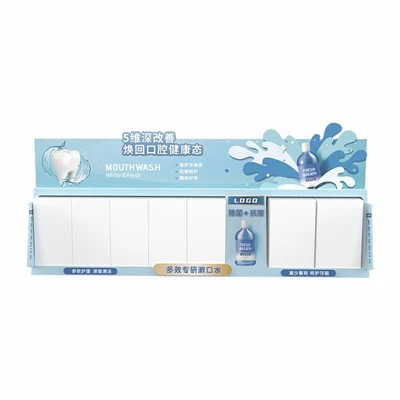
If you want to chat more about how custom strips would work for your store, just reach out. No pressure, no jargon, just real talk about what will help your business grow.
Cardboard Countertop Display References
Schwartz, B. (2004). The Paradox of Choice: Why More Is Less. HarperCollins.
Journal of Retail and Consumer Behavior. (2018). Visual Merchandising Impact on Impulse Purchase Decisions. Elsevier.
National Retail Federation. (2022). Shrinkage Trends in Specialty Retail. National Retail Federation.
Guangzhou Guangjie Display Products Manufacturing Co., Ltd.
We’re well-known as one of the leading merchandising strip manufacturers in China, also support customized service. Welcome to buy bulk high quality merchandising strip at competitive price from our factory. If you have any enquiry about pricelist and quotation, please feel free to email us.
Address: No. 16-1 Lilv Road, Dashi Street, Panyu District, Guangzhou City, Guangdong Province
E-mail: guangjie_dp888@163.com
WebSite: https://www.gjdisplaystand.com/
