Yo, what’s up everyone! I’m an aluminum PCB supplier, and today I’m gonna chat about how the thermal conductivity of aluminum PCBs stacks up against other PCBs. Aluminum PCB

Let’s start by getting a basic understanding of what thermal conductivity is. In simple terms, thermal conductivity is how well a material can transfer heat. For PCBs, this is a super important factor because as electronic components on a PCB work, they generate heat. If that heat isn’t dissipated properly, it can cause issues like reduced component lifespan, performance degradation, and even system failures.
Aluminum PCBs: A Quick Overview
Aluminum PCBs, also known as metal core printed circuit boards (MCPCBs), have a unique structure. They consist of a layer of copper circuitry, an insulating dielectric layer, and an aluminum base. The aluminum base is the key here. Aluminum is a metal, and metals are generally good conductors of heat.
The thermal conductivity of aluminum itself is around 200 W/(m·K). That’s pretty high compared to a lot of other materials used in PCBs. The dielectric layer in an aluminum PCB is designed to have a relatively high thermal conductivity as well, so it can effectively transfer heat from the copper circuitry to the aluminum base.
Comparing with FR – 4 PCBs
FR – 4 is one of the most commonly used materials for PCBs. It’s a fiberglass – reinforced epoxy laminate. The thermal conductivity of FR – 4 is extremely low, usually in the range of 0.2 – 0.4 W/(m·K). That’s like night and day compared to aluminum.
When you have high – power components on a PCB, the heat generated can’t be easily dissipated through an FR – 4 board. The heat tends to build up around the components, leading to hotspots. With an aluminum PCB, on the other hand, the heat is quickly conducted away from the components. This means that components on an aluminum PCB can operate at lower temperatures, which is great for their long – term reliability.
For example, let’s say you’re making a high – brightness LED light. LEDs produce a significant amount of heat, and if that heat isn’t managed well, the LEDs can lose their brightness over time and have a shorter lifespan. Using an FR – 4 PCB for this application would be a bad idea because it can’t handle the heat. An aluminum PCB, with its high thermal conductivity, can keep the LEDs cool, ensuring they last longer and maintain their brightness.
Ceramic PCBs
Ceramic PCBs are another option in the market. They are known for their high thermal conductivity and excellent electrical insulation properties. The thermal conductivity of ceramic materials used in PCBs can range from about 20 W/(m·K) to over 200 W/(m·K), depending on the type of ceramic.
Some high – end ceramic PCBs can have a thermal conductivity comparable to aluminum PCBs. However, ceramic PCBs come with a few drawbacks. Firstly, they are much more expensive to manufacture. The production process for ceramic PCBs is complex and requires specialized equipment. Secondly, ceramic is a brittle material, which makes it more difficult to handle during the assembly process.
In contrast, aluminum PCBs are more cost – effective. The manufacturing process for aluminum PCBs is relatively straightforward, and aluminum is a widely available and inexpensive material. So, for many applications where high thermal conductivity is needed but cost is also a concern, aluminum PCBs are a better choice.
Copper PCBs
Copper is an even better conductor of heat than aluminum, with a thermal conductivity of around 400 W/(m·K). Copper PCBs, which have a copper base instead of an aluminum one, offer excellent thermal performance.
But just like ceramic PCBs, copper PCBs are expensive. Copper is a more valuable metal than aluminum, and the cost of using a copper base can be prohibitive for many applications. Also, copper is heavier than aluminum. In some applications, like in portable electronic devices, weight is a critical factor. Using a copper PCB would add unnecessary weight to the device.
Aluminum PCBs provide a good balance between thermal performance and cost. They can handle a wide range of power levels and are versatile enough to be used in various applications, from automotive electronics to industrial control systems.
Applications Where Aluminum PCBs Shine
One of the biggest application areas for aluminum PCBs is in the LED lighting industry. As I mentioned earlier, LEDs generate a lot of heat, and aluminum PCBs can effectively dissipate that heat. This not only improves the lifespan of the LEDs but also enhances the overall performance of the lighting system.
In the automotive industry, aluminum PCBs are used in engine control units, power management systems, and lighting applications. The high – temperature environment under the hood requires PCBs that can handle heat well, and aluminum PCBs fit the bill perfectly.
Industrial control systems also benefit from the use of aluminum PCBs. These systems often have high – power components that generate a significant amount of heat. Aluminum PCBs ensure that the components operate within a safe temperature range, reducing the risk of failures.
Why Choose Our Aluminum PCBs
As an aluminum PCB supplier, I know firsthand the quality and performance of our products. We use high – grade aluminum and carefully selected dielectric materials to ensure the best thermal conductivity. Our manufacturing process is strictly controlled to ensure the consistency and reliability of each PCB.
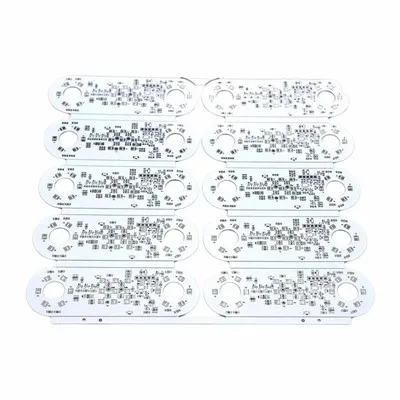
We also offer customized solutions. Whether you have a specific size, shape, or circuit layout in mind, we can work with you to create the perfect aluminum PCB for your application. Our team of experts is always ready to provide technical support and answer any questions you may have.
Flex PCB So, if you’re in the market for PCBs and thermal conductivity is a concern, I highly recommend considering aluminum PCBs. They offer a great combination of performance, cost – effectiveness, and versatility. If you’re interested in learning more about our aluminum PCBs or want to start a procurement discussion, don’t hesitate to reach out. We’re here to help you find the best PCB solution for your needs.
References
- Marki, M. (2009). Printed Circuit Board Technology. Artech House.
- Tummala, R. R., & Raghavan, R. (2001). Microelectronics Packaging Handbook. Springer.
Huaswin Electronics Technology Co., Ltd.
Address: Building A2, Hao Hai Hong Industrial Park, No.3 Yu He Road, Gong He, Sha Jing, Bao An, Shenzhen
E-mail: sales@huaswin.com
WebSite: https://www.huaswin-pcba.com/
