The lifespan of a skeleton semi – trailer is a topic of great concern for both fleet owners and logistics operators. As a supplier of high – quality skeleton semi – trailers, I’ve witnessed firsthand the significant role that these trailers play in the transportation industry. In this blog, I’ll delve into the factors influencing the lifespan of a skeleton semi – trailer and provide some insights on how to maximize its longevity. Skeleton Semi-trailer

Key Factors Affecting the Lifespan of a Skeleton Semi – Trailer
1. Quality of Materials
The materials used in the construction of a skeleton semi – trailer are fundamental to its lifespan. High – grade steel is the most common material for the frame and structure of these trailers. Steel with excellent strength, corrosion resistance, and fatigue resistance can withstand the rigors of long – distance transportation and heavy loads. For example, a trailer made from low – quality steel may start to show signs of rust and structural weakness within a few years, especially if it operates in harsh environments.
We, as a reputable supplier, source only the finest steel for our skeleton semi – trailers. This ensures that the basic structure of the trailer is durable and can resist the impact of various factors over time. Additionally, we use high – quality tires and axles, which are essential components that affect the overall performance and lifespan of the trailer. Tires with good tread depth and appropriate load – carrying capacity can prevent premature wear and reduce the risk of blowouts, while reliable axles ensure smooth operation and even distribution of weight.
2. Manufacturing Processes
The manufacturing process also has a profound impact on the lifespan of a skeleton semi – trailer. Precision welding, accurate machining, and proper assembly are crucial for ensuring the integrity of the trailer’s structure. For instance, if the welding is not done correctly, it can lead to weak joints, which may fail under stress during transportation.
Our company adheres to strict manufacturing standards. We have a team of experienced welders and technicians who are well – trained in the latest manufacturing techniques. We use advanced equipment to ensure the accuracy of every component, from the frame to the smallest part. This meticulous approach to manufacturing guarantees that our trailers have a strong and reliable structure, capable of withstanding heavy use for an extended period.
3. Usage Patterns
The way a skeleton semi – trailer is used plays a significant role in determining its lifespan. Heavy – haul applications, frequent starts and stops, and operating on rough roads can all accelerate wear and tear. For example, a trailer used for transporting large, heavy containers over mountainous terrain will experience more stress on its frame and suspension than one used for short – distance, light – load transportation on smooth highways.
Moreover, overloading is a major culprit in reducing the lifespan of a trailer. When a trailer is loaded beyond its rated capacity, it puts excessive stress on the axles, tires, and frame, leading to premature failure. As a supplier, we always emphasize the importance of following the recommended load limits to our customers. We also provide guidelines on proper loading and securing of cargo to ensure even weight distribution and minimize stress on the trailer.
4. Maintenance and Servicing
Regular maintenance and servicing are essential for extending the lifespan of a skeleton semi – trailer. This includes checking and lubricating moving parts, inspecting the frame for signs of damage, and ensuring that the brakes, lights, and other safety features are in good working condition.
For example, the suspension system of a trailer needs to be inspected regularly for signs of wear. Worn – out suspension components can cause uneven tire wear and affect the stability of the trailer. Similarly, the brake system should be checked and maintained to ensure reliable stopping power.
We offer our customers comprehensive maintenance guides and support. Our team of experts is available to provide advice on proper maintenance procedures and can also offer on – site servicing if needed. By following a regular maintenance schedule, our customers can significantly increase the lifespan of their skeleton semi – trailers.
Estimating the Lifespan
On average, a well – maintained skeleton semi – trailer can last between 10 and 15 years. However, this is just a rough estimate, and the actual lifespan can vary significantly depending on the factors mentioned above.
In some cases, a trailer that is used under ideal conditions, with high – quality materials, proper manufacturing, and regular maintenance, may last even longer. Conversely, a trailer that is subjected to heavy use, poor maintenance, and harsh environments may need to be replaced within 5 to 7 years.
Strategies to Maximize the Lifespan
1. Training for Operators
Proper training for operators is crucial for maximizing the lifespan of a skeleton semi – trailer. Operators should be educated on the correct way to load and unload cargo, as well as the proper driving techniques to minimize wear and tear. For example, they should be trained to avoid sudden starts and stops, which can put extra stress on the trailer’s components.
2. Predictive Maintenance
Using technology to implement predictive maintenance can also be very effective in extending the lifespan of a trailer. By installing sensors on key components such as axles, tires, and brakes, it is possible to monitor their condition in real – time. This allows for early detection of potential problems, so that maintenance can be carried out before a major failure occurs.
3. Storage Conditions
Proper storage conditions can also have an impact on the lifespan of a skeleton semi – trailer. When the trailer is not in use, it should be stored in a dry, covered area to protect it from the elements. Exposure to rain, snow, and extreme temperatures can cause rust and other forms of damage over time.
Conclusion
In conclusion, the lifespan of a skeleton semi – trailer is influenced by a variety of factors, including the quality of materials, manufacturing processes, usage patterns, and maintenance. As a supplier, we are committed to providing high – quality trailers that are built to last. By understanding the factors that affect the lifespan and implementing strategies to maximize it, fleet owners and logistics operators can get the most out of their skeleton semi – trailers.
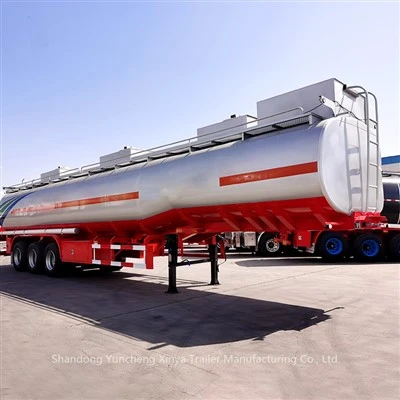
If you are in the market for a reliable skeleton semi – trailer or need advice on extending the lifespan of your existing trailers, please don’t hesitate to reach out to us. We are here to assist you with all your trailer – related needs and look forward to discussing how we can meet your specific requirements.
References
Gooseneck Lowbed Semi-trailer Comprehensive Guide to Commercial Trailer Maintenance, National Trailer Manufacturers Association
Steel Industry Handbook – Characteristics and Applications of Steel in Transportation Equipment, World Steel Association
Best Practices for Trailer Operation and Longevity, Trailer and Trucking Research Institute
Shandong Yuncheng Xinya Trailer Manufacturing Co., Ltd.
Shandong Yuncheng Xinya Trailer Manufacturing Co., Ltd. is one of the most experienced skeleton semi-trailer manufacturers and suppliers in China, featured by quality products and good service. Please rest assured to buy CE approved skeleton semi-trailer from our factory. Contact us for customized service and OEM service.
Address: No. 008, Hexie Road, Yangzhuangji Town, Yuncheng County, Heze City, Shandong Province
E-mail: fiona@xinyatrailer.com
WebSite: https://www.china-truckfactory.com/
